AI Isn’t Replacing School Leaders. Adapting Is Key to Survival
Join us as we share inspiring educator journeys, practical tips, and fresh ideas to help you grow and thrive in your teaching career.
EDUCATION AND LEADERSHIP
Paul Collin
1/8/20265 min read
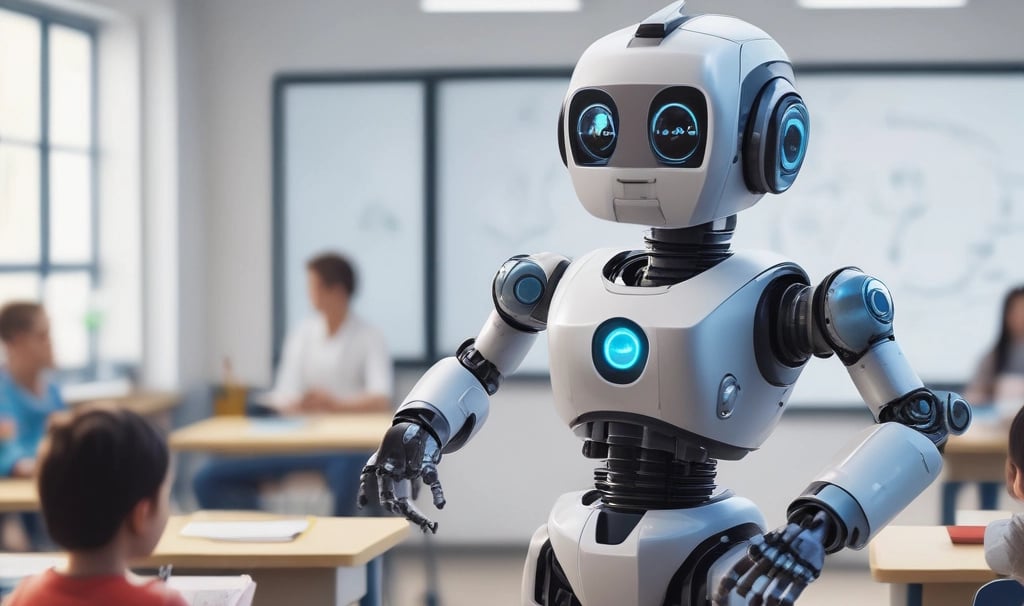

The Current Landscape of School Leadership
School leaders today are navigating a landscape marked by a variety of challenges that have evolved over time. With the rapid advancement of technology, increased accountability measures, and a heightened emphasis on educational outcomes, the role of school leadership has become increasingly complex. These leaders are expected to facilitate effective teaching and learning while also promoting an environment that is responsive to the needs of students and staff alike.
The integration of technology in education, including the advent of artificial intelligence (AI), represents one of the most significant changes faced by school leaders. AI has the potential to enhance educational practices, enabling personalised learning experiences and streamlining administrative tasks. However, the implementation of such technologies can also introduce stress for school leaders who must ensure that these tools are adopted effectively and ethically. Moreover, the need for continuous professional development and training for educators poses an additional layer of responsibility.
Accountability is another critical issue that school leaders must confront on a daily basis. With regulatory bodies demanding transparency and measurable outcomes, school leaders find themselves under constant scrutiny. The need to meet strict performance targets can lead to increased pressure for both leaders and educators, often impacting their decision-making processes. Balancing the expectations from parents, regional authorities, and state mandates requires a delicate navigation of priorities.
As discussions around leadership effectiveness evolve, school leaders must strive to adapt and remain resilient in this ever-changing educational climate. It is imperative that they focus on nurturing a positive school culture, leveraging technology wisely, and supporting their staff to foster an environment of continuous improvement. Achieving this balance is key for school leaders aiming to ensure successful educational outcomes while also preparing for the future that AI and other technologies may bring.
Understanding AI's Role in Education
Artificial intelligence (AI) is rapidly emerging as a transformative force in various industries, and education is no exception. AI encompasses a range of technologies that simulate cognitive functions, such as learning, reasoning, and problem-solving. In the educational landscape, AI tools are increasingly utilised to enhance the administrative and pedagogical capacities of school leaders, rather than replace them. This transition seeks to utilise AI as a means of improving efficiency and driving informed decision-making within educational institutions.
One prominent application of AI in education is the implementation of learning management systems (LMS) equipped with adaptive learning technologies. These systems analyse students' performance data to tailor educational experiences, ensuring individualised learning pathways. By leveraging predictive analytics, school leaders can identify students who may require additional assistance or resources, thereby enhancing overall student success rates. Utilising AI-driven platforms, such as Intelligent Tutoring Systems, allows for personalised instruction and provides instant feedback, which can significantly improve learning outcomes.
Moreover, AI can significantly streamline administrative tasks, thus allowing school leaders more time to focus on strategic initiatives. Automation of routine activities, such as grading and attendance tracking, eases the burden of administrative workload. Tools like chatbots enhance communication within the school community by providing timely responses to queries from students and parents alike. By freeing up valuable time, school leaders can devote their energies to fostering a positive educational environment and implementing long-term improvement strategies.
Ultimately, AI should be viewed as an ally in the educational sector. By adopting AI tools, school leaders can bolster their capacity to make data-informed decisions while enhancing the overall educational experience for all stakeholders. It is the collaborative integration of AI technology with human oversight that holds the greatest potential for advancing the future of education.
Adaptability: The New Leadership Skill
As educational institutions increasingly integrate artificial intelligence (AI) into their operational and pedagogical frameworks, the role of adaptability becomes ever more crucial for school leaders. The ability to embrace change and respond effectively to the evolving landscape is indicative of a leader's effectiveness. Traditional leadership models often emphasised stability and predictability; however, in today's world, a rigid approach can hinder progress. School leaders must foster an environment that encourages openness and innovation, facilitating a smooth transition into the age of AI.
Adapting to new technologies such as AI requires a mindset shift. Leaders must first understand the benefits of integrating these advanced tools, which can include personalised learning experiences, enhanced administrative efficiency, and improved decision-making processes. By welcoming AI, school leaders can not only streamline operations but also empower educators and students alike. This synergy can lead to an enriched learning environment that is data-driven and responsive to individual needs.
To enhance their adaptability, school leaders can adopt several strategies. First, continuous professional development tailored to the intersection of education and technology is essential. Engaging in workshops, conferences, and online courses focusing on AI can equip leaders with the knowledge required to implement these tools effectively. Furthermore, fostering a culture of collaboration among staff is vital. By encouraging teachers to share their experiences and best practices regarding technology usage, leaders can catalyse a collective adaptation process.
Finally, embracing feedback from students, parents, and staff members is an invaluable resource for refining approaches to AI integration. Recognising that adaptability is not a one-time event, but an ongoing journey, school leaders must remain vigilant in assessing the impacts of AI on their institutions. By committing to a forward-thinking, adaptable mindset, school leaders can significantly enhance their effectiveness and ensure the long-term success of their schools in a technology-driven world.
Moving from Reaction to Strategy in Leadership
In the rapidly evolving landscape influenced by artificial intelligence (AI), the ability of school leaders to shift from reactive to strategic thinking is paramount. Reactive leadership typically involves responding to challenges as they arise, often leading to short-term solutions that do not address underlying issues. In contrast, strategic leadership involves anticipating future challenges and opportunities, thus fostering a forward-thinking approach that prepares educators and students for an AI-enhanced world.
To cultivate strategic thinking, school leaders can implement several practical steps. First, they should prioritise continuous professional development, ensuring they stay abreast of technological advancements, particularly those related to AI. This knowledge equips them to better integrate AI into their leadership practices, enhancing decision-making processes and improving educational outcomes.
Furthermore, leaders should foster a culture of collaboration within their institutions. Engaging stakeholders—including teachers, students, and parents—in strategic discussions allows for diverse perspectives that can inform more comprehensive strategies. For instance, regular workshops or brainstorming sessions can spark innovative ideas related to the integration of AI in curriculum and administrative tasks.
Moreover, employing data analytics is increasingly critical. By analysing performance metrics and student data, leaders can identify trends that inform strategic priorities. This proactive stance enables them to anticipate resource needs, address inequities, and enhance educational programs accordingly.
Lastly, embracing a mindset focused on innovation is essential. Leaders should encourage experimentation with AI tools and strategies, and be willing to adjust their approaches based on emerging insights. This flexibility fosters an environment where both educators and students can thrive in the dynamic context influenced by AI.
In conclusion, moving from a reactionary stance to a strategic approach is essential for school leaders navigating the complexities introduced by artificial intelligence. By prioritising professional development, collaboration, data analysis, and innovation, leaders can prepare their institutions for the future, ultimately ensuring that they are not only responding to changes but also leading them effectively.
Contact
Office
Develop2teach © 2025. All rights reserved.